High-output solar without conventional module mass.
Low-mass photovoltaic construction for curved roofs, load-limited structures, mobile assets and specialized surfaces where conventional framed glass modules may be impractical.
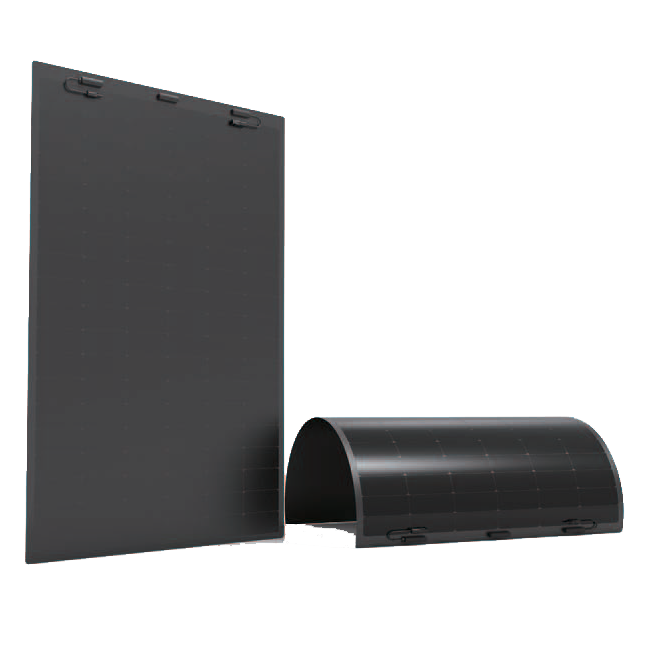
Built for difficult surfaces.
Lightweight construction can reduce module mass and eliminate conventional frames, but product suitability must still be evaluated against the complete assembly, attachment method, wind loading, fire requirements, drainage, electrical design and substrate condition.
View Datasheet →
View Series Datasheet →
Published power classes are product-family references. Final specifications and availability are confirmed for each project.
Where lightweight solar earns attention.
Load-Limited Roofs
Reduce module mass contribution where existing structure, retrofit limitations or roof construction restrict conventional systems.
Curved & Irregular Surfaces
Thin, flexible construction can follow geometries that framed glass modules cannot accommodate.
Mobile Platforms
Lower mass and profile for trailers, vehicles, modular facilities and transportable assets.
Large Commercial Roofs
Target broad roof areas where ballast, racking and structural loading materially affect project viability.
Marine & Specialty Equipment
Application-specific generation where weight, vibration, geometry or usable area requires careful product selection.
Remote Systems
Low-profile generation integrated into autonomous power systems with storage, controls and backup generation.
A lightweight module does not remove the need for engineering.
Compatibility, preparation and service life.
Adhesive or mechanical approach, detailing and removal.
Project location, geometry and edge conditions.
String design, routing, protection and equipment compatibility.
Applicable module and assembly documentation.
Access, inspection, cleaning and replaceability.
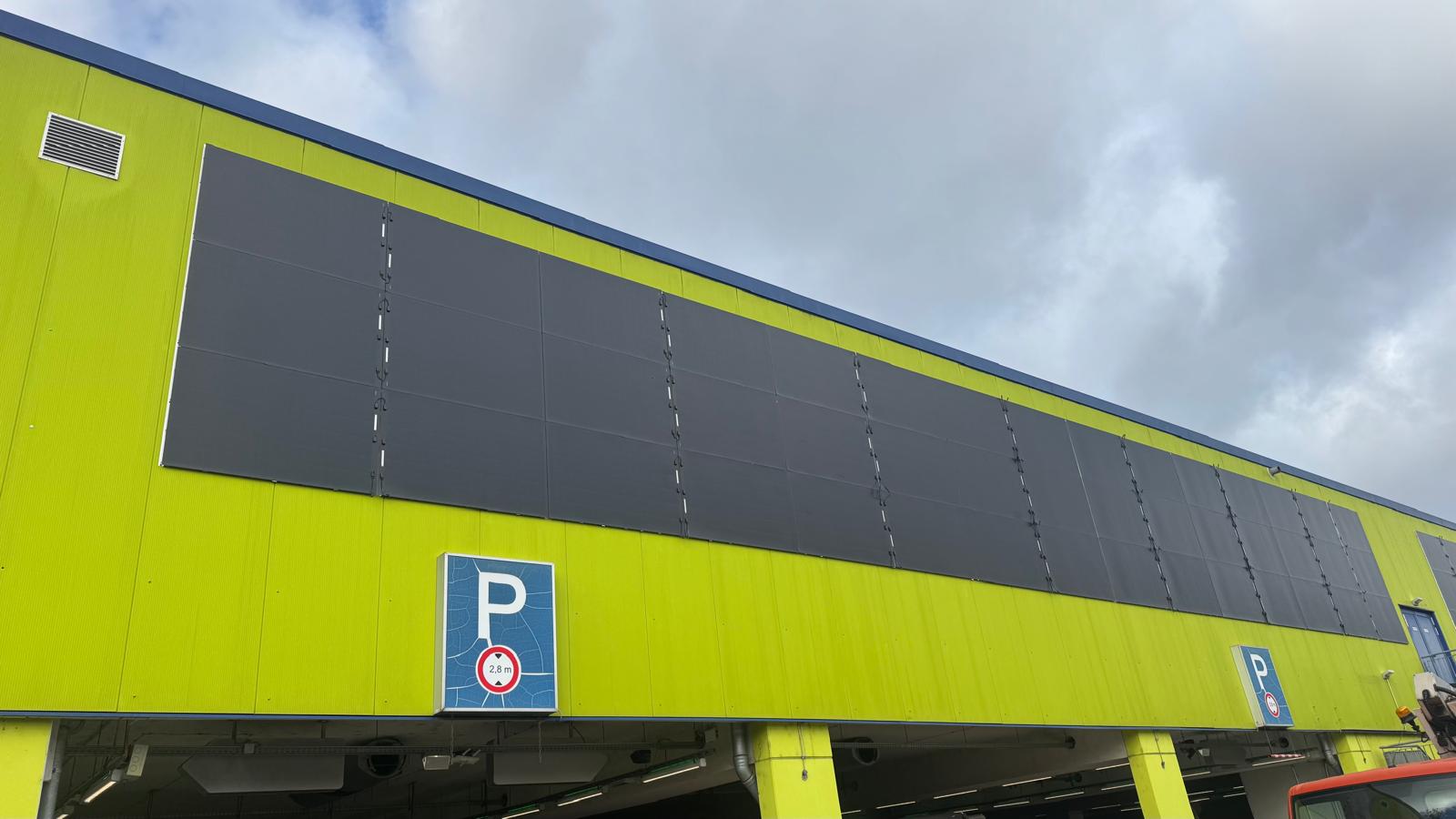
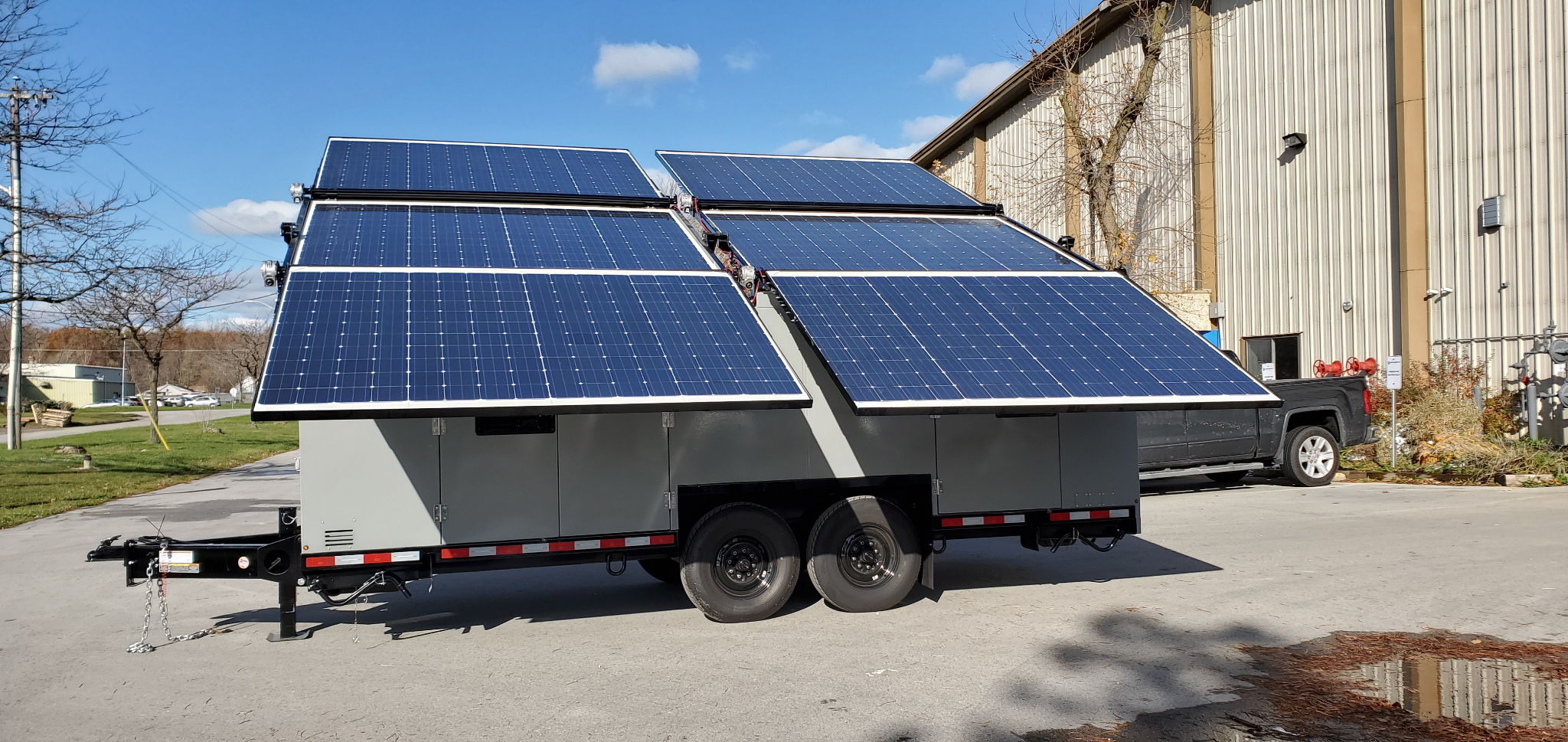
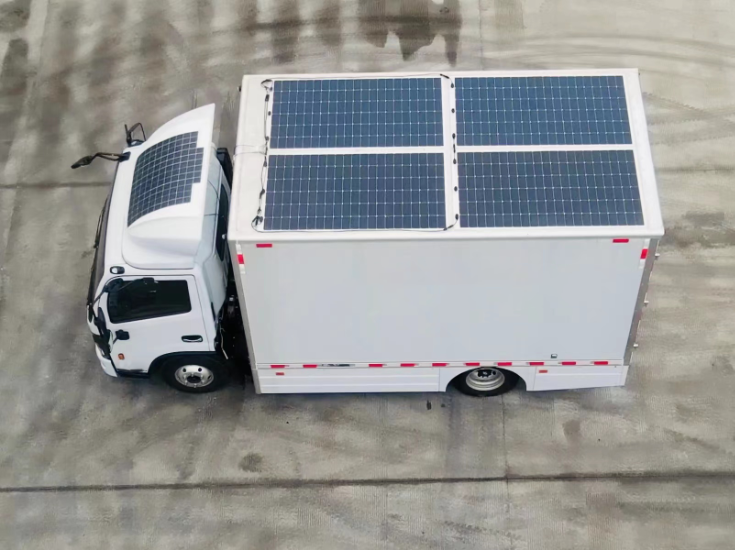
Start with the surface, structure and operating environment.
Send photographs, drawings, dimensions, location, roof or substrate information, expected loads and the intended electrical application. JTC will identify the next technical questions.
Technical and certification documents are provided as appropriate for qualified projects.